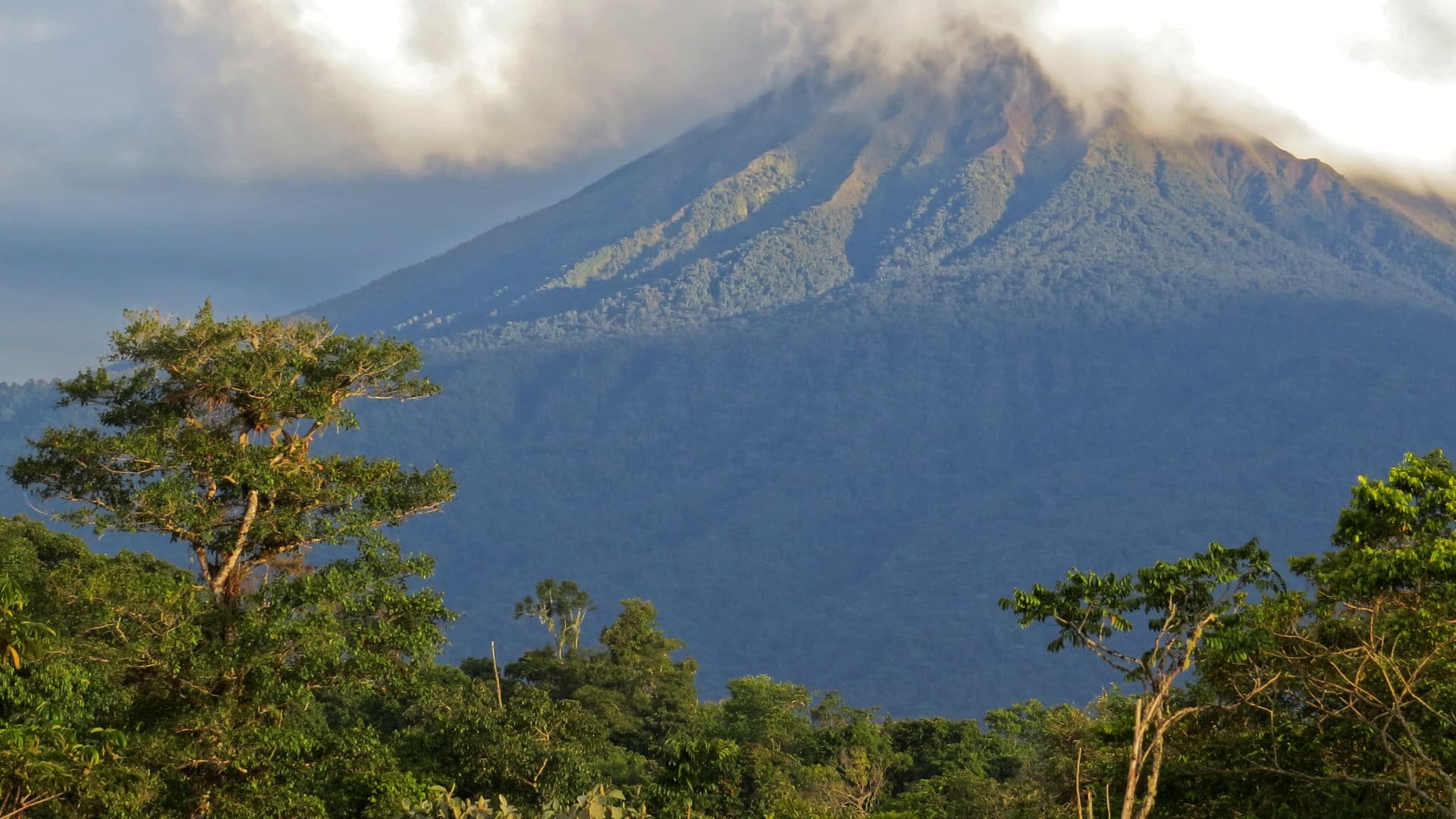
From Antisana to the Yasuní
Ecuador packs over 1,700 recorded bird species into an area smaller than Colorado. This 16-day journey traces the full transect — high Andean páramo, cloud forest, Amazonian foothills, and the lowland rainforest of Yasuní National Park — guided the whole way by Norby, a birding guide with over 35 years in these mountains and forests.
16 days / 15 nights
Quito → Antisana → Guango →
Cosanga → Sumaco → Yasuní → Quito
Lodges: Guango Lodge, San Isidro Lodge, WildSumaco Lodge, Napo Wildlife Center
From: $7,950 per person, double occupancy (2–3 guests)
$6,750 per person (4–8 guests)
Single occupancy +$2,400
Andes to the Amazon Day-by-Day
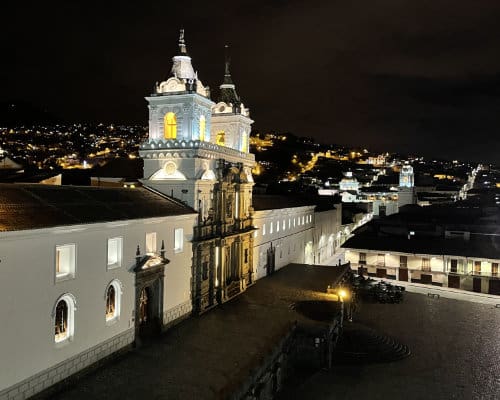
Day 1 – Welcome to Quito
We’ll be waiting for you at the airport.
Arrive in Quito, Ecuador’s UNESCO World Heritage capital, where we’ll meet you and take care of your transfer to the hotel.
If you would like to arrive a couple of days prior, please inquire for excursion options in Quito’s historical center, a UNESCO World Heritage Site, or to other iconic destinations in the greater metropolitan area.
Overnight in Quito.
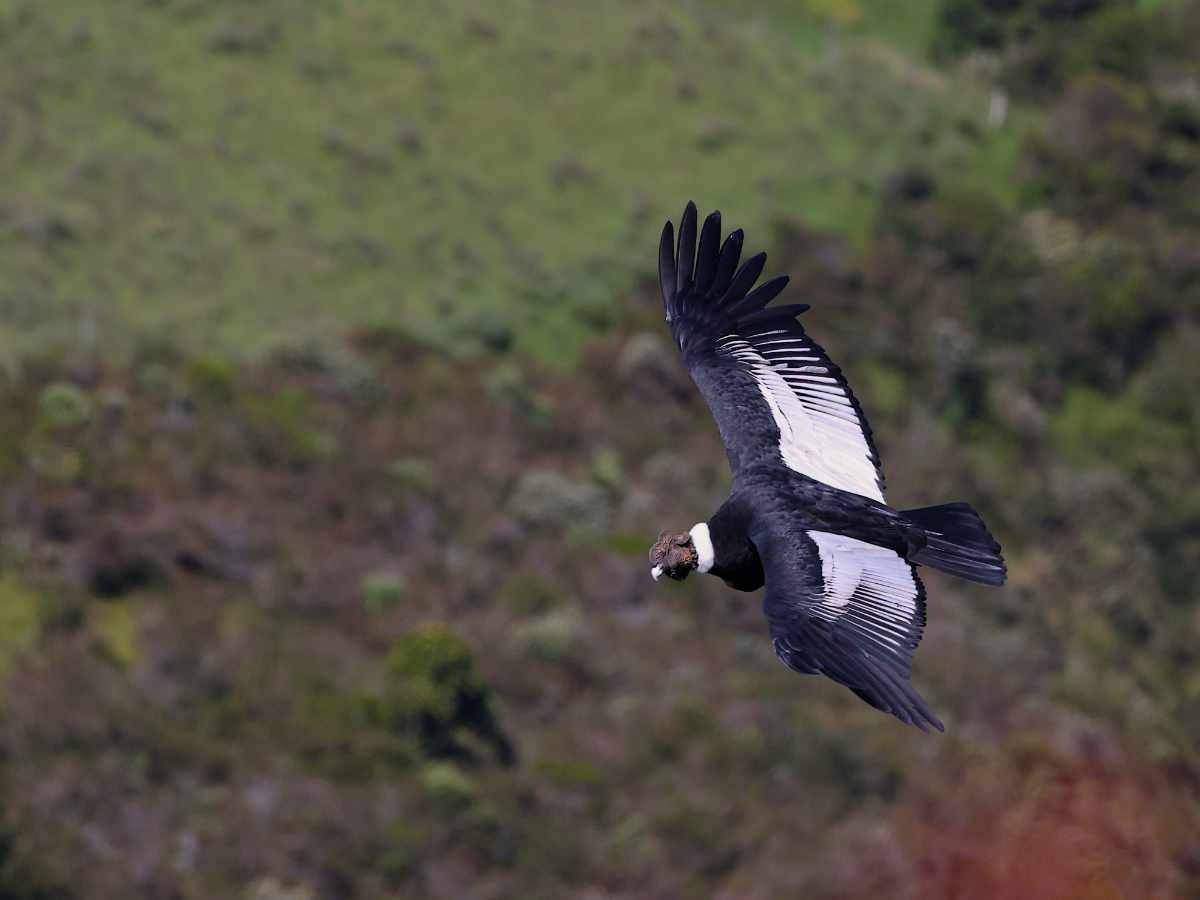
Day 2 – Antisana National Park
Scan cliffs and sky for Andean condors.
Climb into the high páramo of Antisana National Park, where up to 30 condors have been counted across four cliffs in a single day — a striking number given Ecuador’s entire wild population is only around 160 birds.
Overnight at Guango Lodge.
Complete bird list in the FAQ below.
Day 3 – Guango Lodge & Papallacta Pass
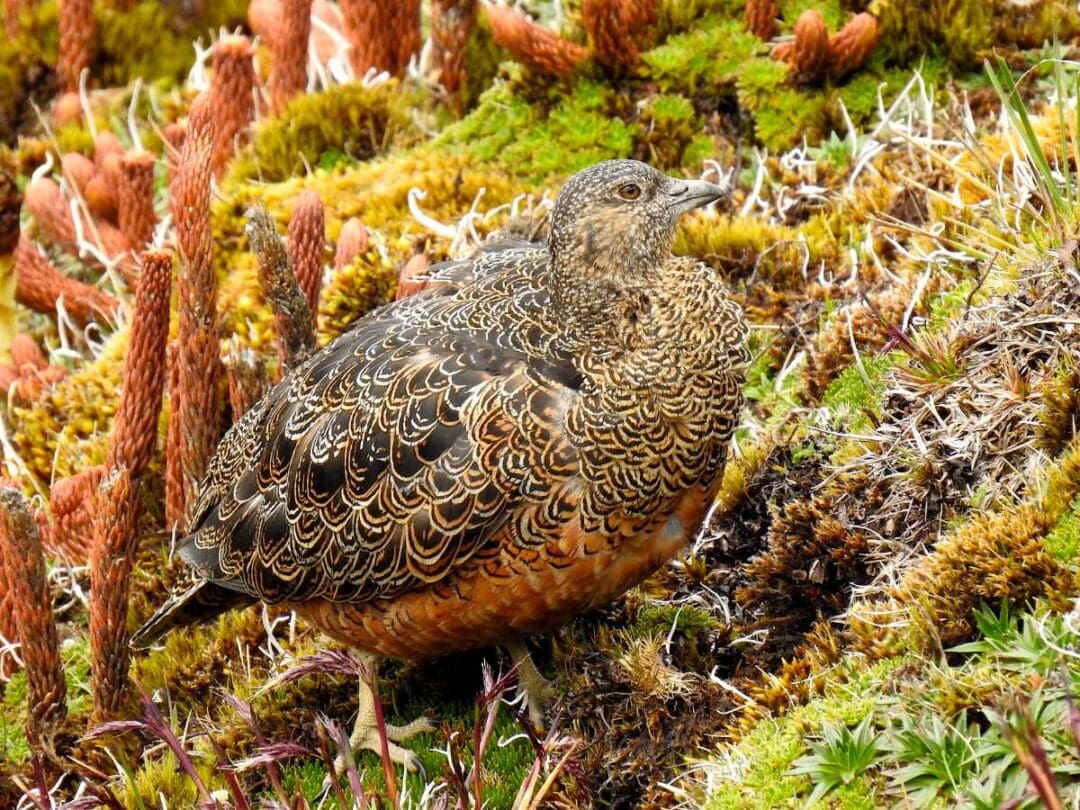
Search the páramo for a secretive seedsnipe.
A scenic drive through Cayambe Coca National Park brings you to the tundra-like Papallacta Pass, with condor’s-eye views of Antisana volcano and a real shot at the elusive Rufous-bellied Seedsnipe.
Overnight at Guango Lodge
Complete bird list in the FAQ below.
Days 4 Full Day at Guango Lodge
Hummingbird feeders and hidden trails.
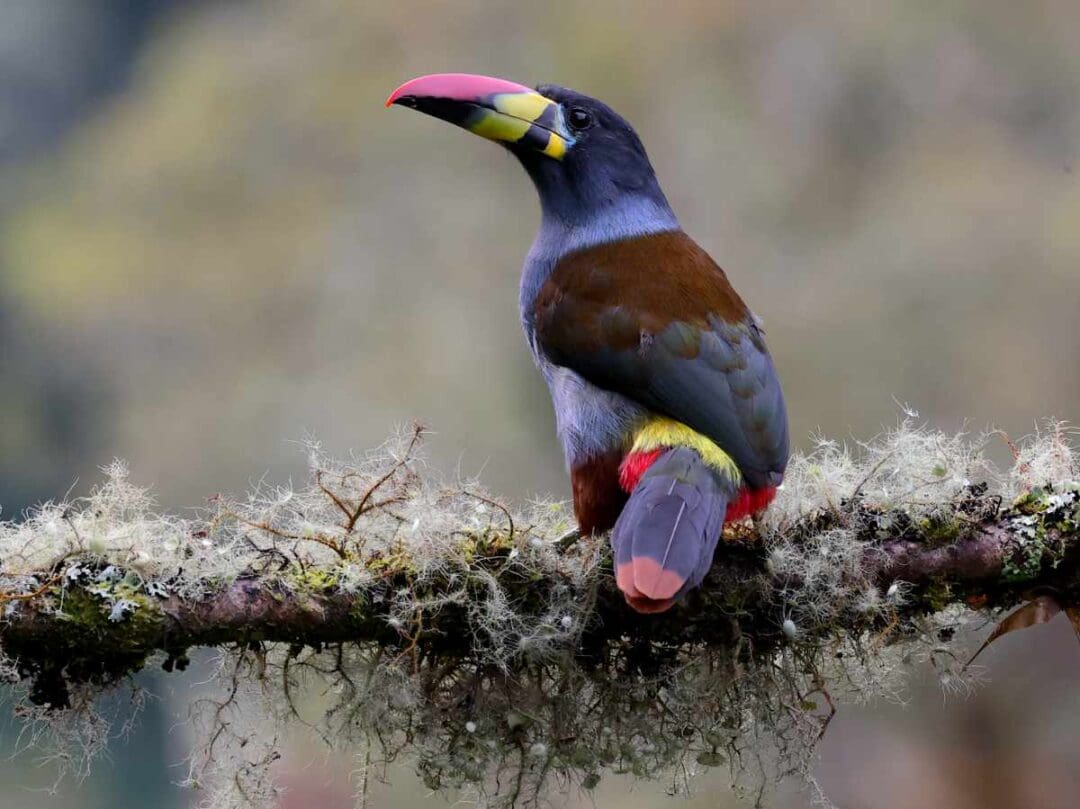
A full day on Guango’s trails and hide, where feeders draw in species like the Tourmaline Sunangel and Long-tailed Sylph, and the Papallacta River offers a shot at the Torrent Duck — a powerful diver built for fast-moving water. Overnight at Guango Lodge.
Overnight at Guango Lodge.
Complete bird list in the FAQ below.
Days 5 – Guango to San Isidro
Follow Ecuador’s Andean East Slope
Travel from Guango Lodge to San Isidro, a cloud forest reserve at 6,600 feet where mixed flocks of tanagers, woodcreepers, and flycatchers move through the morning mist.
Overnight at Cabañas San Isidro.
Complete bird list in the FAQ below.
Day 6 & 7 – San Isidro
Chase mixed flocks through the mist.
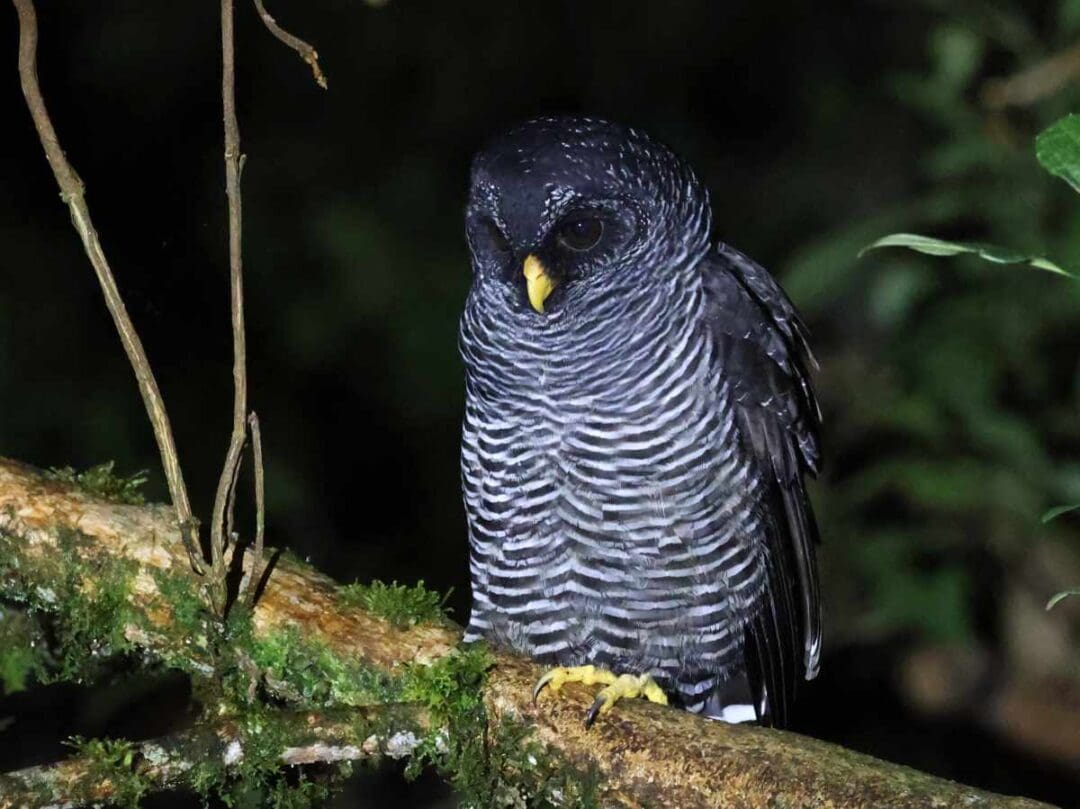
Two full days exploring San Isidro’s trails, where dawn brings dense mixed foraging flocks and nights bring a chance at the reserve’s own San Isidro Owl — found nowhere else, and still not officially classified as its own species.
Two overnights at Cabañas San Isidro.
Complete bird list in the FAQ below.
Day 8 – San Isidro to Wild Sumaco
Reach the ridge where bird diversity peaks.
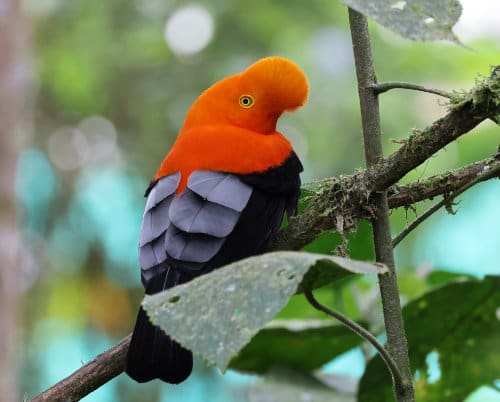
Travel to WildSumaco Lodge, set on a ridge where cloud forest meets the Amazonian foothills — the point of highest bird diversity on the entire route, and prime habitat for the flamboyant Andean Cock-of-the-rock.
Overnight at WildSumaco.
Complete bird list in the FAQ below.
Day 9 & 10 – Wild Sumaco
Find one of the region’s rarest hummingbirds.
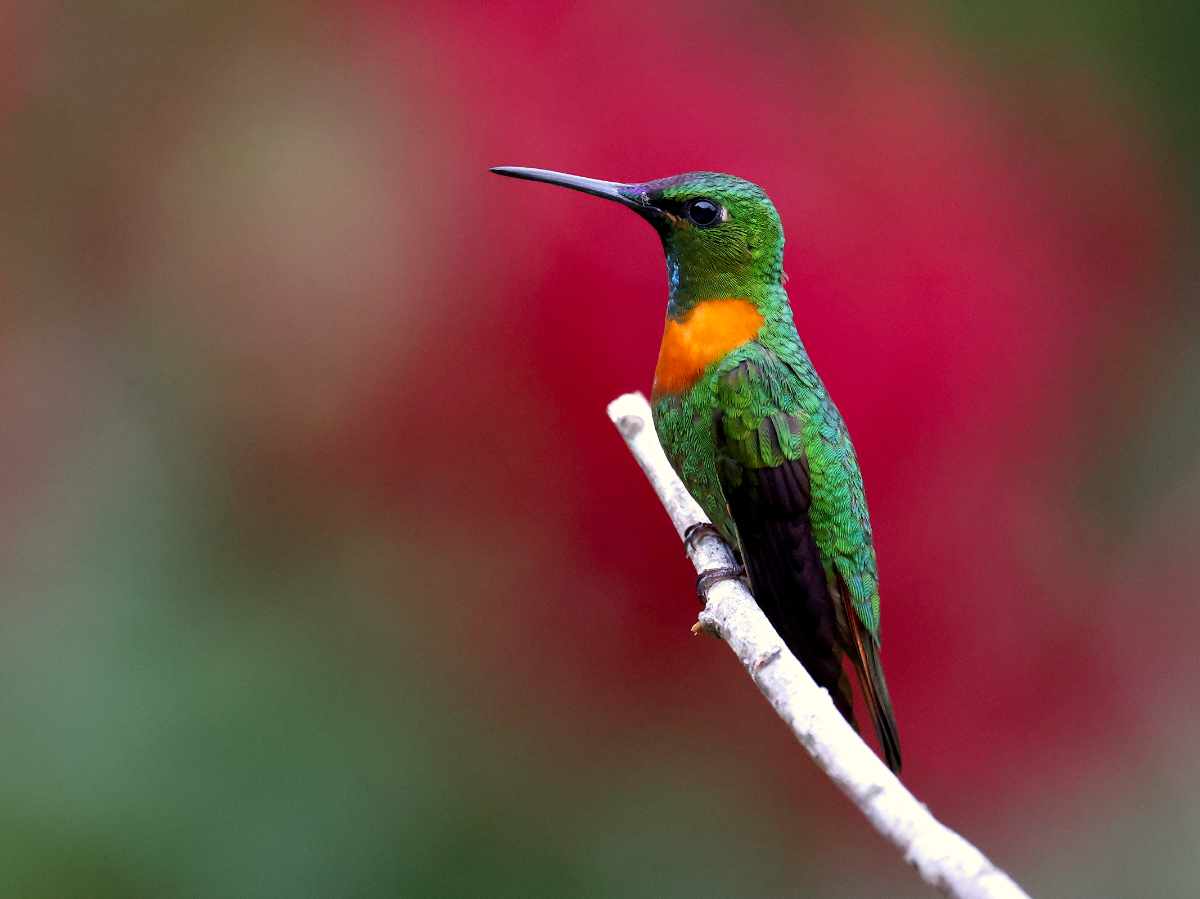
Two full days on WildSumaco’s trails, where 510 bird species have been recorded on the reserve alone — including Gould’s Jewelfront, a foothill specialty rarely seen this easily anywhere else, plus toucans and Napo Tamarins moving through the canopy overhead.
Two overnights at WildSumaco.
Complete bird list in the FAQ below.
Day 11 – WildSumaco to Napo Wildlife Center
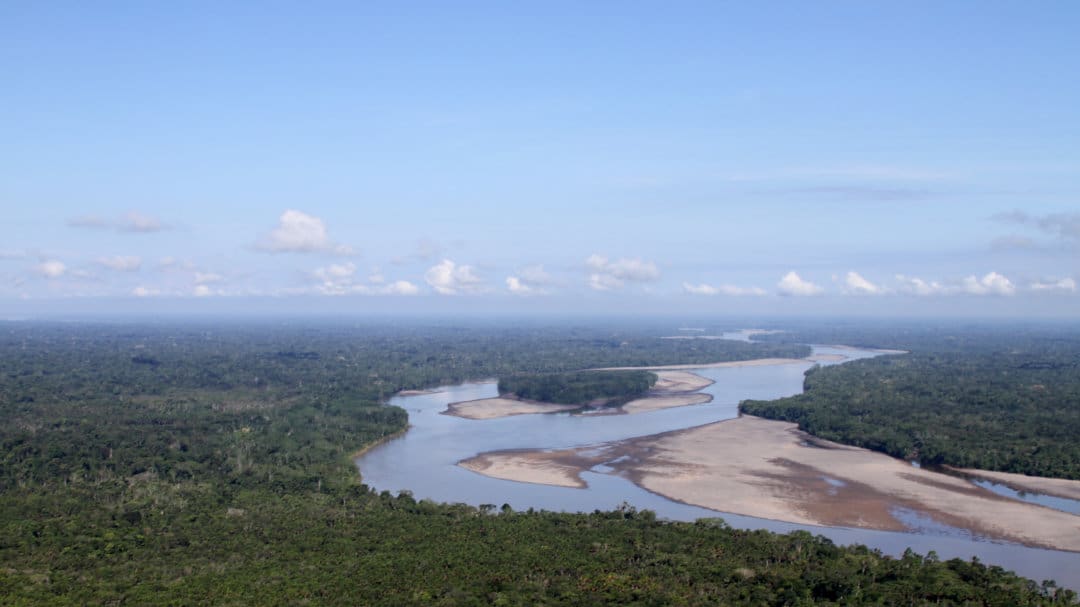
Cruise the Napo into Yasuní National Park
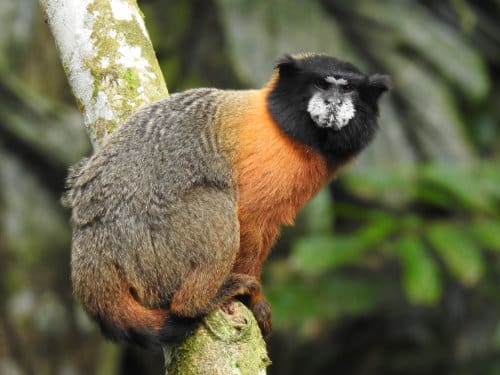
Travel by road to Coca, then by river into Yasuní National Park, where toucans and monkeys greet you on your first excursion into the reserve.
Overnight at Napo Wildlife Center.
Complete bird list in the FAQ below.
Day 12-15 Napo Wildlife Center & Yasuni National Park
Two canopy towers, a parrot clay lick, and the community that built it all.
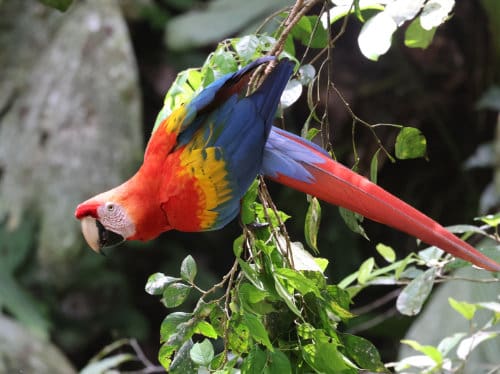
Four full days based at Napo Wildlife Center, with two excursions daily — including night outings — across canopy towers, forest trails, and Añangu Lake. Visit one of the Amazon’s most accessible parrot clay licks and spend time with the Kichwa Añangu Community, cofounders of the lodge and reserve.
Overnight at WildSumaco.
Complete bird list in the FAQ below.
Day 16 Return to Quito
One last cruise up the Napo, then home.
An early morning cruise back up the Napo River to Coca, then a domestic flight returns you to Quito by early afternoon, in time for an evening international flight — or stay on a few extra days in Quito or the cloud forest.
If you would like to stay a few more days to enjoy Quito and the cloud forests on the West Slope, or even journey to Southern Ecuador, please inquire when booking.
Andes to Amazon Wildlife Expedition
From: $7,950 per person, double occupancy (2–3 guests)
$6,750 per person (4–8 guests)
Single occupancy +$2,400
Want the complete itinerary, including species lists, to read at your own pace or share with your travel companions? Download the full PDF.
This Itinerary Includes
- Tour Leader — Bilingual Naturalist Guide equipped with quality spotting scope and years of experience.
- Indigenous guides at most lodges.
- Transfers in and out, from and to airport and lodges.
- Private land transportation according to itinerary.
- One domestic flight, one-way, Coca (Francisco de Orellana) to Quito
- Accommodation based on double occupancy.
- All excursions described in program.
- Admission fees to parks and reserves described in program.
- Meals and snacks.
- Beverages including purified water, soft drinks, fruit juices, coffee & tea.
Not Included
- International airfares.
- Personal expenses like laundry or alcoholic drinks.
- Tips for guides, drivers, and staff.
- Travel or Medical insurance.
- Any other item not specified in what is included.
Frequently Asked Questions About Our Andes Amazon Tour
What wildlife might I see at Antisana National Park?
Andean Condor, Carunculated Caracara, Andean Gull, Andean Lapwing, Andean Ibis, Ecuadorian Hillstar, Giant Hummingbird, Sword-billed Hummingbird, Black-tailed Trainbearer, Stout-billed Cinclodes, Andean Tit-Spinetail, Many-striped Canastero, Tawny Antpitta, Tufted Tit-Tyrant, Red-crested Cotinga, Paramo Pipit, Plumbeous Sierra-Finch, Black-winged Ground-Dove.
What wildlife might I see at Papallacta Pass and Guango?
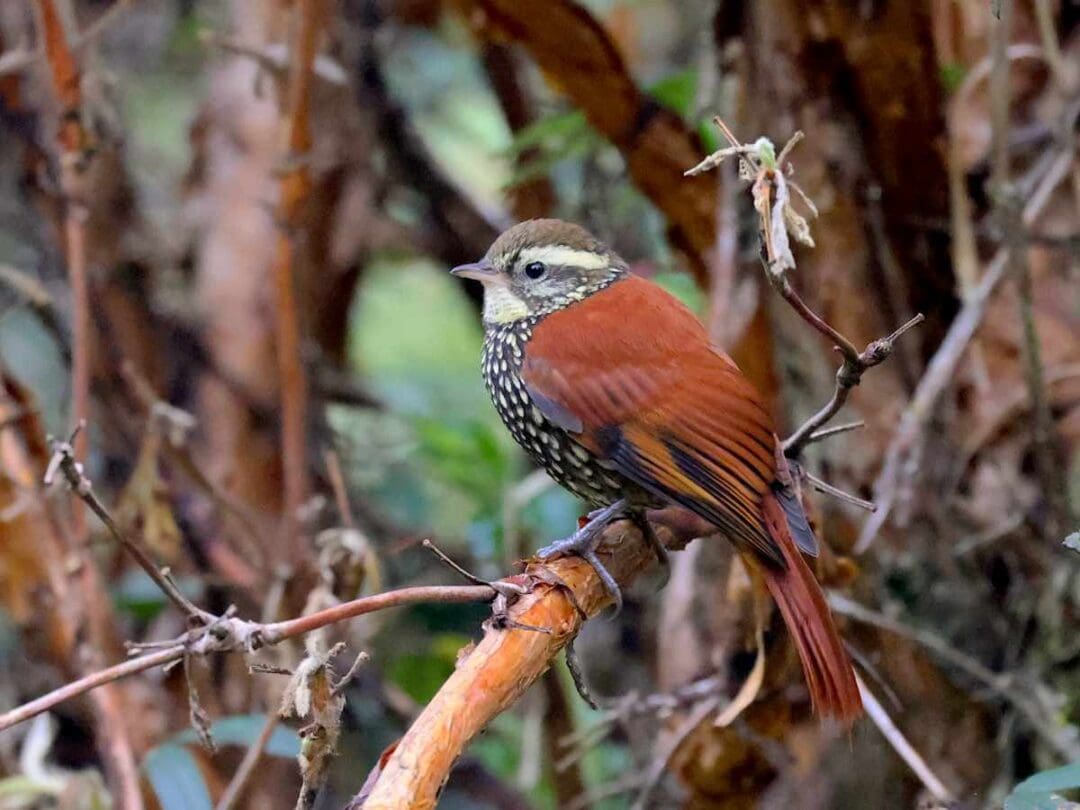
Variable Hawk, Black-chested Buzzard-Eagle, Rufous-bellied Seedsnipe, Torrent Duck, Giant Conebill, Black-backed Bush Tanager, White-chinned Thistletail, Buff-breasted Mountain-Tanager, Pearled Treerunner, Golden-crowned Tanager, Pale-naped Brush-Finch, Red-rumped Bush-Tyrant, Lacrimose Mountain-Tanager, Hooded Mountain-Tanager, Blue-backed Conebill, Black-capped Hemispingus, Tourmaline Sunangel, Chestnut-breasted Coronet, Buff-tailed Coronet, Long-tailed Sylph, Mountain Avocetbill, Gray-breasted Mountain-Toucan, Andean Guan, Northern Mountain Cacique, Turquoise Jay, Bar-bellied Woodpecker. Also possible: Andean Bear.
What wildlife might I see at San Isidro?
Black-and-chestnut Eagle, Wattled Guan, Sickle-winged Guan, Red-billed Parrot, Golden-headed Quetzal, Crested Quetzal, Masked Trogon, Andean Motmot, Powerful Woodpecker, Rufous-crowned Tody-Flycatcher, Andean Cock-of-the-rock, Andean Solitaire, Inca (Green) Jay, Russet-backed Oropendola, Subtropical Cacique, Crimson-mantled Woodpecker, Green-and-black Fruiteater, Handsome Flycatcher, Cinnamon Flycatcher, Barred Becard, Black-billed Peppershrike, Black-crested Warbler, Russet-crowned Warbler, Blue-winged Mountain-Tanager, Bluish Flowerpiercer, Tawny-bellied Hermit, Lesser Violetear, Speckled Hummingbird, Bronzy Inca, Collared Inca, Gorgeted Woodstar, Violet-fronted Brilliant, Barred Parakeet, White-throated (Southern Emerald-) Toucanet, Black-billed Mountain-Toucan, Rusty-winged Barbtail, Sulphur-bellied Tyrannulet, Saffron-crowned Tanager, Red-breasted Meadowlark (Blackbird), San Isidro Owl. Also possible: Andean Tapir.
What wildlife might I see at WildSumaco?
Paradise Tanager, Golden-eared Tanager, Turquoise Tanager, Silver-beaked Tanager, Orange-eared Tanager, Golden Tanager, Red-headed Barbet, Lafresnaye’s Piculet, Napo Sabrewing, Ecuadorian Piedtail, Rufous-vented Whitetip, Gould’s Jewelfront, Coppery-chested Jacamar, Golden-collared Toucanet, Black-mandibled Toucan, Scarlet-breasted Fruiteater, Andean Cock-of-the-rock, Wire-crested Thorntail. Also possible: Black-mantled (Napo) Tamarin, Capuchin monkey.
What wildlife might I see at Yasuni National Park?
Scarlet Macaw, Dusky-headed Parakeet, White-eyed Parakeet, Cobalt-winged Parakeet, Blue-headed Parrot, Yellow-crowned Amazon Parrot, Mealy Amazon Parrot, Orange-cheeked Parrot, Scarlet-shouldered Parrotlet, Hoatzin, Green-and-rufous Kingfisher, Golden-headed Manakin, Yellow-tufted Woodpecker. Also possible: Giant Otter, Red Howler Monkey, Golden-mantled Tamarin, Amazonian Tapir.
Can I combine this trip with the Galápagos or other destinations?
Yes — this itinerary pairs naturally with the Galápagos Islands, or a taste of the Andes’ Western Slope for a different mix of species. Tailor your trip and we’ll help you build a combined itinerary.
How physically demanding is this trip?
This itinerary is built around easy to moderate excursions — accessible trails, short walks, and time in vehicles or boats between sites, not technical trekking.
What time of year should I go?
This trip operates year-round, so there’s no wrong season to book — pick the dates that work best for your schedule.
Important Information for All of Our Tours
Cancellation Policy
Cancellation refunds and penalties are based on the following schedule:
- If cancellation is made 120 days or more before the tour departure date, a cancellation fee of $500 per person will be charged.
- If the client chooses to reserve another Biotropica Expeditions tour that will operate within the upcoming 12 months, the cancellation fee will be $100 per person.
- If cancellation is made fewer than 120 days before departure date, no refund is available.
This policy and fee schedule also apply to all trips or extensions. We strongly recommend the purchase of trip cancellation insurance for your protection.
Visas and Passports
VISAS: Visas are not required for U.S., Canadian or European citizens for entry into Ecuador for a stay of up to 90 consecutive days.
PASSPORTS: You will need a current passport with a minimum of 6 months remaining from its expiration date and a minimum of two blank pages for stamps. If you need a new or renewed passport, please do so well in advance. We recommend arriving in Ecuador with a color photocopy of the first two pages of your passport kept in a safe place. The best source for current information for U.S. citizens entering Ecuador can be found on the US State Department website.
Health and Safety
The US Centers for Disease Control provides general suggestions for health and vaccinations for your trip to Ecuador. We highly recommend following their suggestions. The US State Department maintains an updated travel advisory for Ecuador. We highly recommend US clients signing up for the STEP program to receive updates from the US Embassy in Quito while traveling.
Additional Expenses
Your trip with Biotropica Expeditions includes most expenses. However, you will want to bring enough cash to cover personal expenses not included in the program such as taxi rides, laundry, special gratuities, meals on your own, and gifts to bring home. If fuel rates increase significantly, it may be necessary to institute a fuel surcharge. We will provide as much guidance and warning as possible.
Money in Ecuador
The official currency of Ecuador is the US dollar. Cash is most commonly used in rural areas and family-run businesses. We recommend bringing bills in small denominations as anything larger than a $20 can be difficult to spend. ATMs are available in major cities but can be difficult to find in smaller towns and rural areas. Most credit cards, especially MasterCard and VISA, are accepted in large cities like Quito, Cuenca, and Guayaquil.
Pre- and Post-Tour Options
Some participants may want to explore Quito — the largest and best-preserved colonial center in Latin America and the world’s very first UNESCO World Heritage city. Arriving a day or two early allows time for impressive historical sites, ancient baroque art, and museums cradled in the foothills of Pichincha volcano. Activities include visiting the Alabado museum, exploring monasteries and cathedrals, and seeing the emblematic Plaza de la Independencia. Other options include the Botanical Garden of Quito or excursions to Antisana or Cotopaxi National Parks.
Would you like to personalize this tour?
Would you like to add a day, visit a different site, or make sure you see a certain bird? Please fill out our reservation request form, or contact Norby and Susy directly via WhatsApp at +593 99 901 1505.
