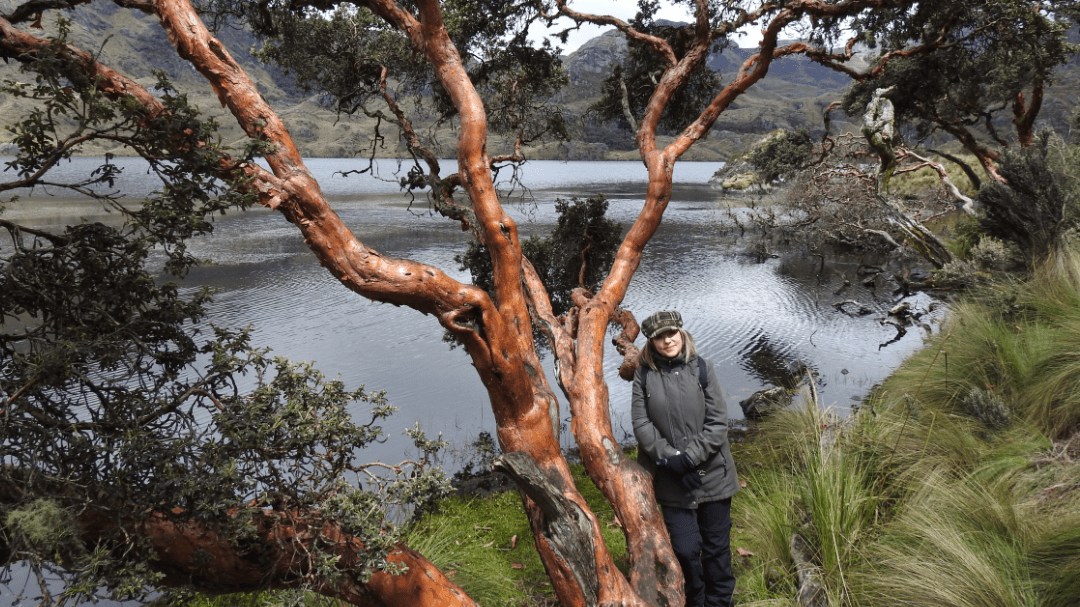
Ecuador, my beloved homeland, is a place where Mother Nature has woven her intricate tapestry, creating a land of breathtaking beauty, vibrant culture, and awe-inspiring biodiversity. From the historic heart of Quito to the lush Andean East Slope, from our long, sandy beaches on the Pacific Coast to the unparalleled Galapagos Islands, from Amazon jungles to cloud forests along the Hummingbird Eco-Route, Ecuador beckons with a wealth of experiences.
As your guide and friend, I’m thrilled to share with you the top 10 reasons why you should make Ecuador your next travel destination.
1. Ecuador’s Unique Biodiversity
Ecuador, often referred to as “four worlds in one,” boasts a remarkable tapestry of biodiversity across its four distinct geographic regions.
In the Sierra, or highlands, lush cloud forests are adorned with an astonishing variety of plant and animal life. Here, vibrant bird species fill the air with their enchanting melodies, making it a paradise for birdwatchers.
On the Coast, you’ll find endangered dry forests and the opportunity to witness the majestic spectacle of whale watching in the right season.
The Amazon, known as the Oriente by Ecuadorians, unveils its secrets within thick rainforests teeming with birds like colorful macaws and mammals like the elusive jaguar. Its rivers hold other unique creatures, like the Giant Otter and the Pink Dolphin.
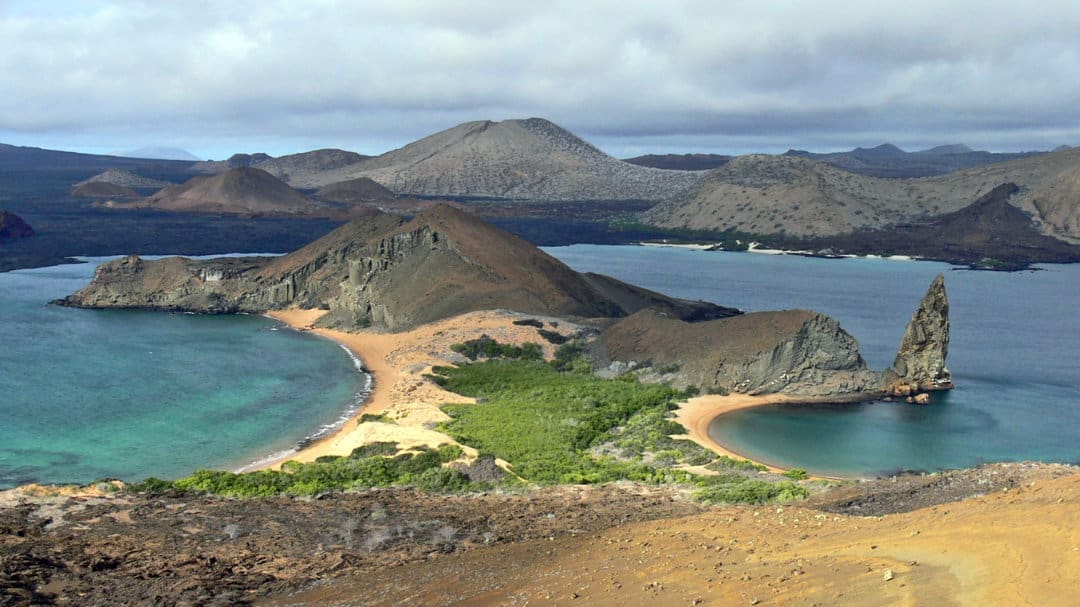
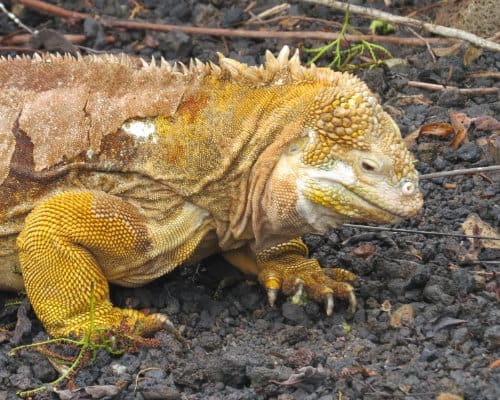
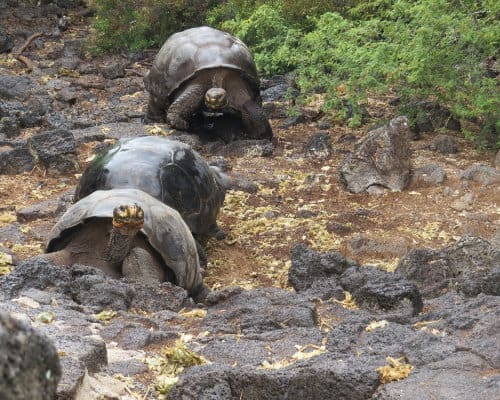
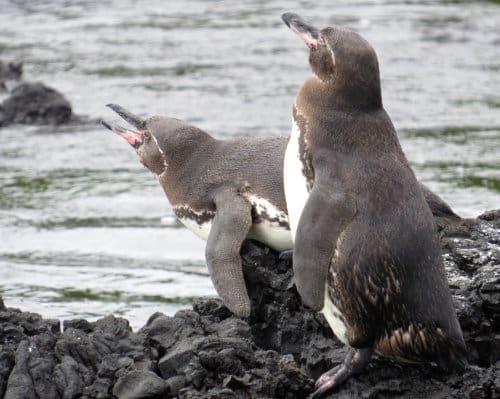
And, of course, there are the iconic Galapagos Islands, where the world’s imagination is ignited. These enchanted isles are home to the famous Galapagos Tortoise, the evolutionary wonders of Darwin’s Finches, the charismatic Galapagos Penguins, and a myriad of endemic species of both flora and fauna.
Ecuador’s unique biodiversity is a testament to the astonishing variety of life that thrives within its borders, making it a destination unlike any other on Earth.
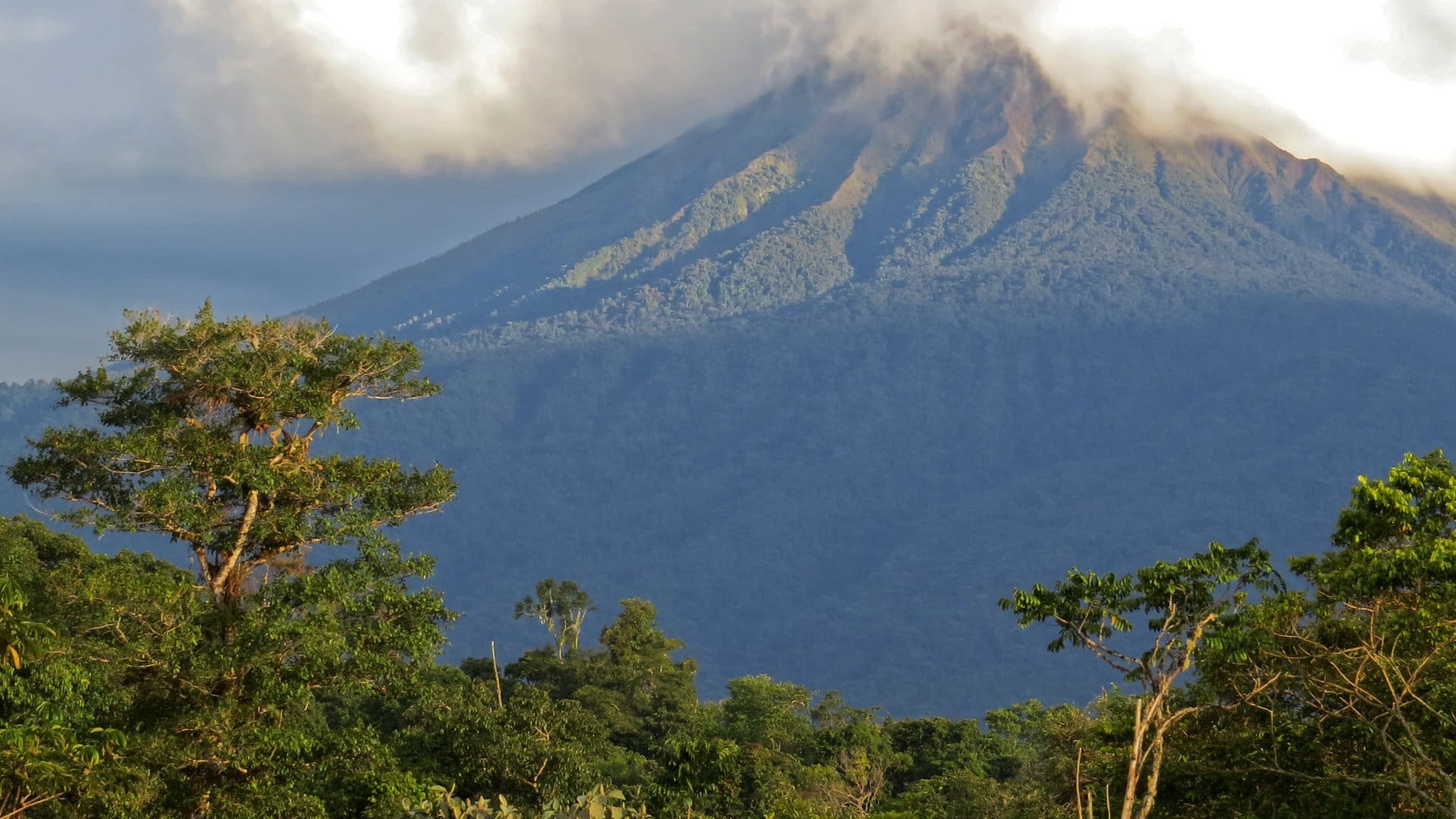
2. Extraordinary Birdwatching
Birdwatching in Ecuador is an exhilarating journey through diverse landscapes that offer a paradise for bird watchers.
On the Andean West Slope, from the verdant slopes of the Pichincha Volcano to the lush lowlands of Mashpi and Milpe, birdwatchers are treated to a dazzling display of avian wonders including the incredible Sword-billed Hummingbird and the iconic Andean Cock-of-the-Rock.
The Andean East Slope, stretching from the towering heights of the Antisana Volcano down into the Amazon rainforest, is a haven for both endemic and migratory bird species. Here, the dense rainforests echo with the calls of toucans, parrots, and the vibrant plumage of tanagers.
Ecuador is not only a treasure trove of established species but also a hub for discovery. It’s where new species like the Blue-throated Hillstar have been unveiled, adding to the allure of this birdwatching haven.
With its stunning biodiversity and accessible habitats, Ecuador remains an unmissable destination for birdwatchers seeking an unforgettable avian adventure.
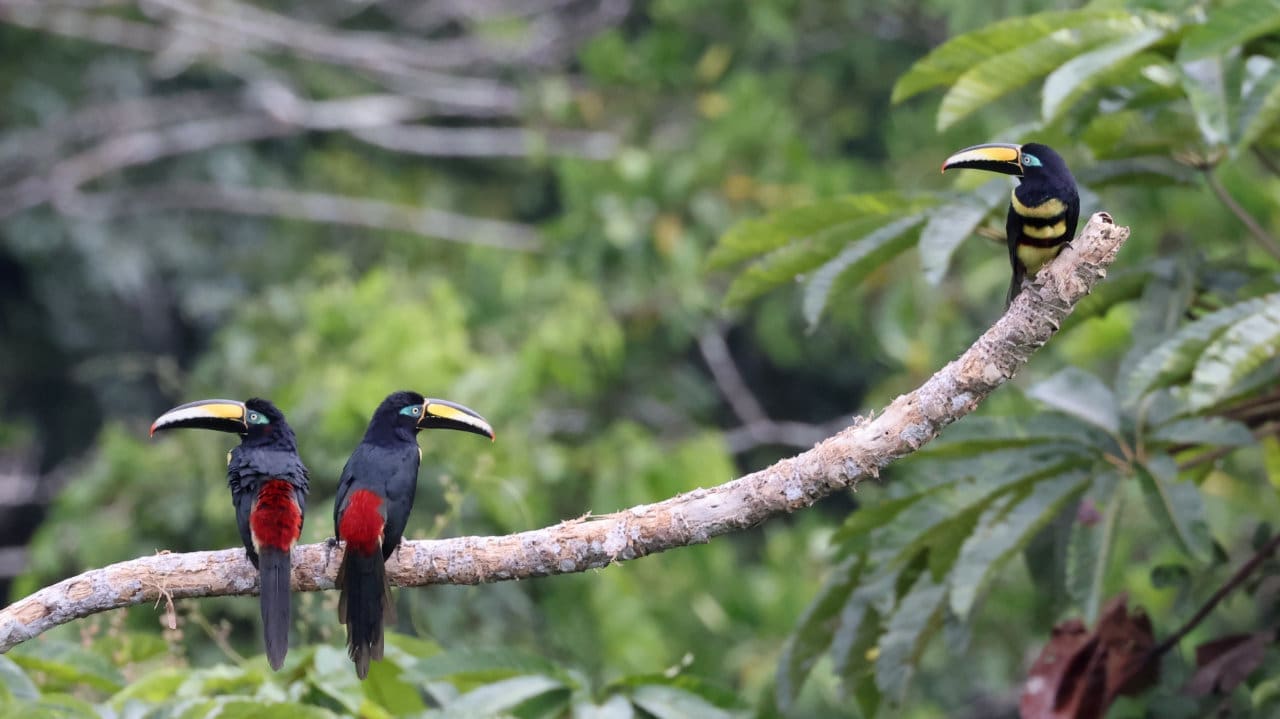
3. The Galapagos Islands, an International Treasure
A Galapagos cruise is a voyage of discovery, where each island presents a new chapter in the remarkable story of evolution. The captivating landscapes of these volcanic wonders, from lava fields to highland forests, provide a world of contrasts. Whether we’re tracing the footsteps of Charles Darwin, marveling at the stunning scenery, or searching out iconic, endemic birds, a cruise in the Galapagos promises an unforgettable adventure in one of Earth’s most captivating destinations.
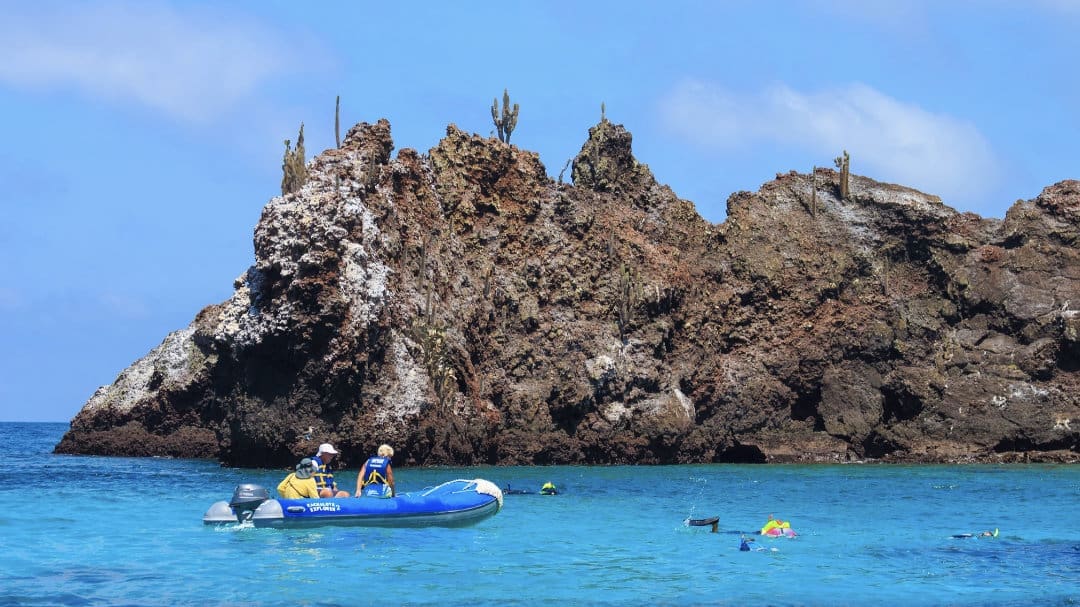
4. The Middle of the World
In Ecuador, standing on the Equator is not just a geographical experience; it’s a fascinating journey into the heart of the world’s most iconic line.
The Equator, from which my home country derives its name, offers visitors a unique opportunity to straddle the Northern and Southern Hemispheres. Located just north of the capital city, Quito, the Mitad del Mundo monument marks this extraordinary intersection of Earth’s hemispheres.
Visiting the Equator in Ecuador is not only about crossing an imaginary line but also a chance to explore the rich diversity of this Andean nation, where the equatorial line serves as a bridge between worlds, both geographically and culturally.
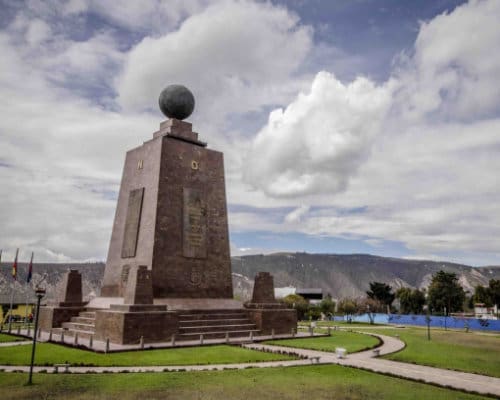
5. Quito’s Historic Center – a UNESCO Heritage Site
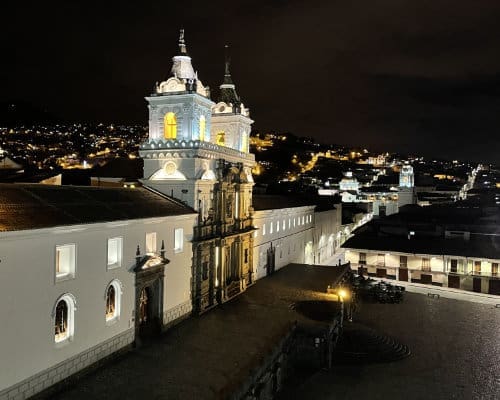
Quito’s Historic Center, a UNESCO World Heritage Site, is a captivating blend of history, architecture, and culture. Wander through its cobblestone streets and you’ll be transported back in time, surrounded by well-preserved colonial buildings adorned with intricate facades and charming courtyards.
The heart of Quito holds architectural treasures like the stunning Compañía de Jesús Church, with its opulent golden interior, and the elegant Plaza de la Independencia, where you can admire the Government Palace and Quito Cathedral.
But Quito’s Historic Center is not just a relic of the past; it’s a vibrant living quarter where you can explore bustling shops, visit artisan workshops, and savor delicious street food. Be sure to taste traditional treats like humitas and pristiños.
We would love to share with you the energy of centuries of history pulsating through the streets on one of our walking tours.
6. Delicious Traditional Foods
Ecuador’s culinary scene is a delightful reflection of its diverse geography and multicultural heritage. Must-try dishes include hornado, a flavorful roast pork dish often served with llapingachos, mote, and fried plantains, and the iconic coastal favorite, ceviche.
Empanadas, savory pastries filled with cheese, beef, or chicken, are popular snacks, perfect for an afternoon accompanied by dark, sweet coffee or a rich cup of hot chocolate laced with fresh cheese.
Don’t miss the chance to sip on chicha, a traditional fermented beverage cherished by Indigenous communities in the Andes and the Amazon, or share a roasted guinea pig, served for special occasions in Andean Kichwa communities.
Ecuador’s cuisine is a celebration of its diverse landscapes, cultures, and traditions, making every bite a memorable experience.
7. Warm and Welcoming People
The true heart of Ecuador is its people, who are known for their warmth and hospitality. Connect with locals, share stories, and immerse yourself in the culture of this incredible country.
Ecuador is more than a destination; it’s an expedition into the heart of nature and culture.
Susy and I strive to provide this warmth on each and every one of our tours. It’s not a hard accomplishment as every partner we have cultivated over the years embraces our visitors like long-lost friends. Please consider joining us on a wonderful tour of our beloved Ecuador.